Who We Are
Who We Are
The Findhorn Hinterland Trust (FHT) is a Scottish Charitable Incorporated Organisation, established in 2015 to manage 50 hectares of land adjacent to the Findhorn Ecovillage. The FHT succeeded the Findhorn Hinterland Group, which had previously worked to bring together land and people for the benefit of both.
The charity has a formal constitution and is regulated by the Office of Scottish Charities Register (OSCR), to whom we report and lodge our most recent FHT Trustees Report and Financial Statements 2024/2025.
The FHT is a membership organisation managed by a group of trustees. Our membership comprises more than 220 people living in the local community and further afield. Our members elect up to 12 trustees to manage the affairs of the trust. The trustees, members and volunteers work together in several small teams that each focus on a specific area of our purpose (conservation, education, community, recreation, green burial).
Membership of the FHT costs just £10 and helps to support our work on the land.
Meet the Trustees
Colin Shreenan, Chair
Alan Watson Featherstone
David Hammond
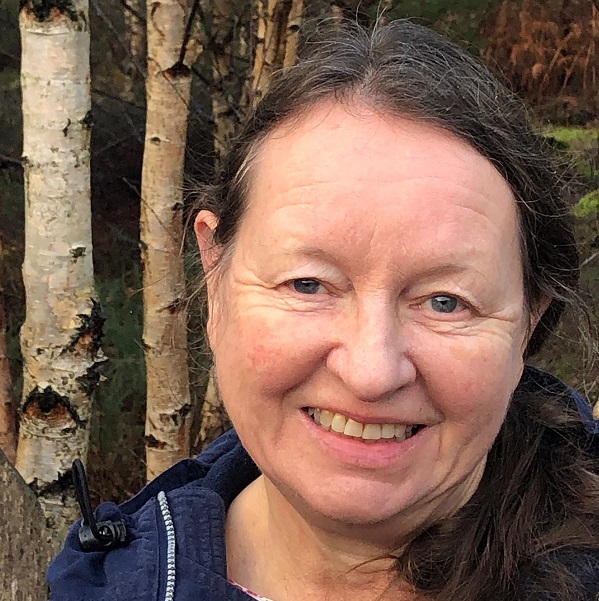
Fiona McKenzie
Learn more about Fiona >>

Jacqueline Buckingham
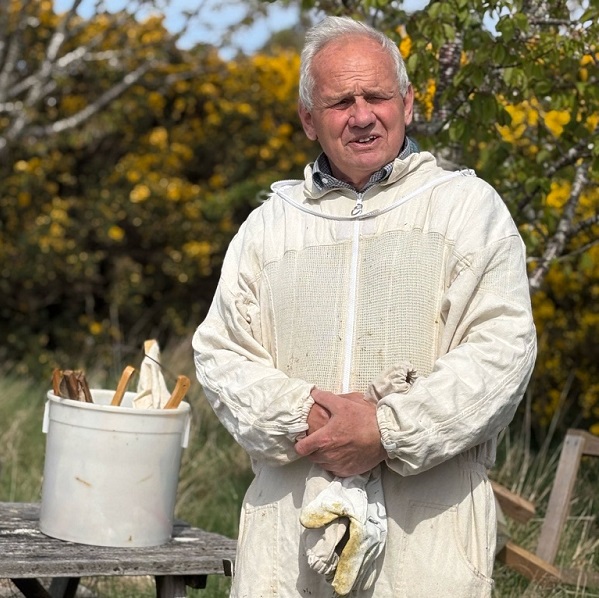
Jonathan Caddy
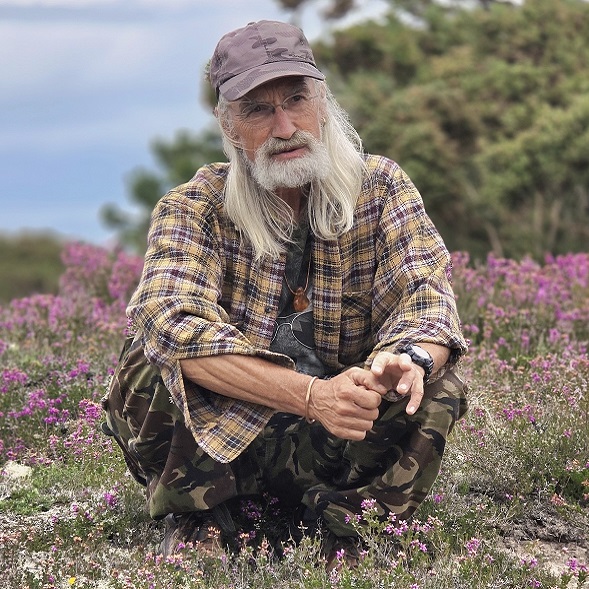
Kajedo Wanderer
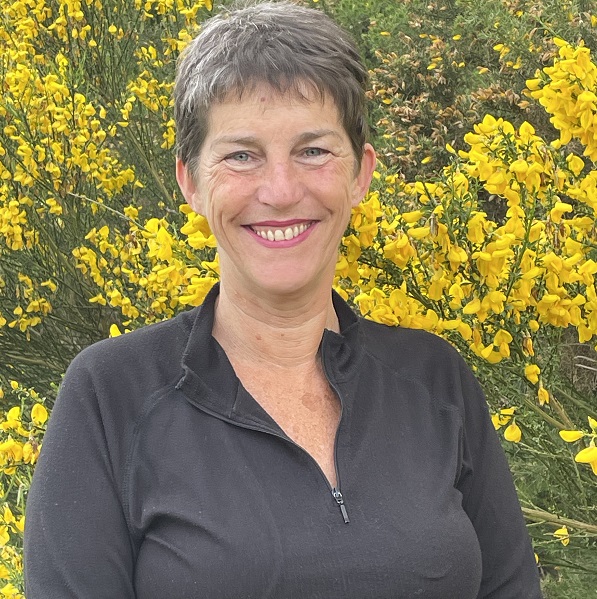
Laura Shreenan, Cordinator

LATEST NEWS
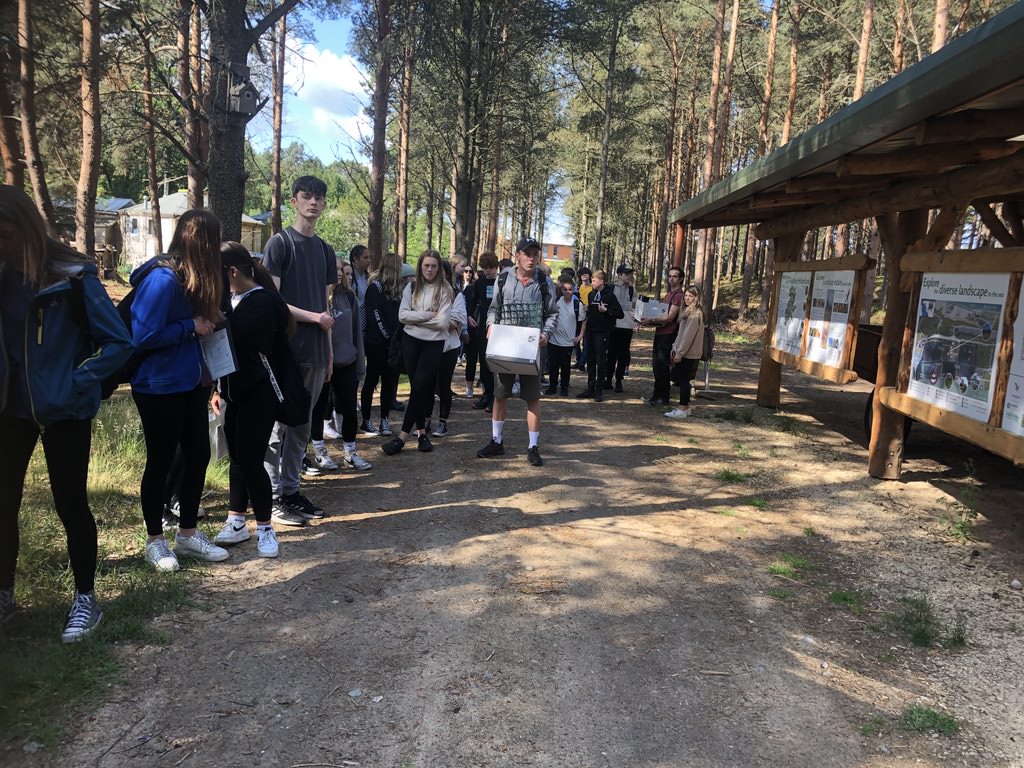
Forres Academy Field Trip Report
Forty nine pupils from the Forres Academy National 5 Biology classes travelled to Findhorn on June 22nd to carry out practical sampling techniques as part of their Unit course work – Life on Earth. This trip was supported by the Findhorn Hinterland Trust whose...
Chair’s Round Up – Summer 2023
It seems a long way off now but thank you for all those that crowded into the James Milne Institute in Findhorn Village for our AGM. It was a wonderful celebration of our achievements showing how we have been maturing as an organisation whose work is appreciated by...
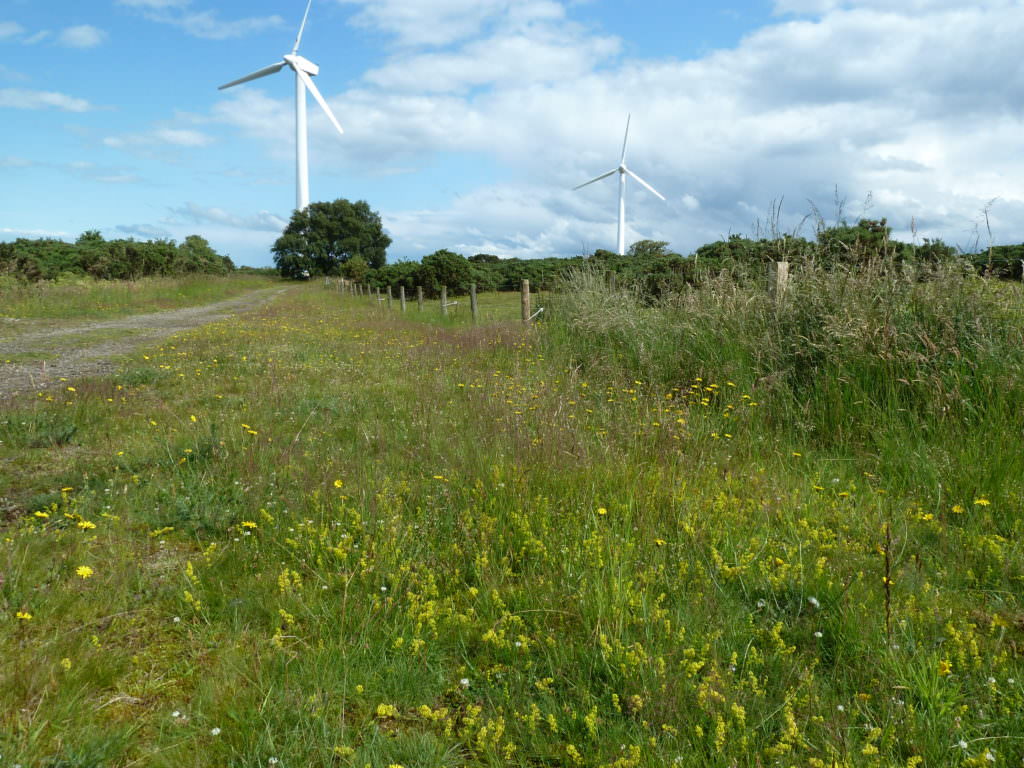
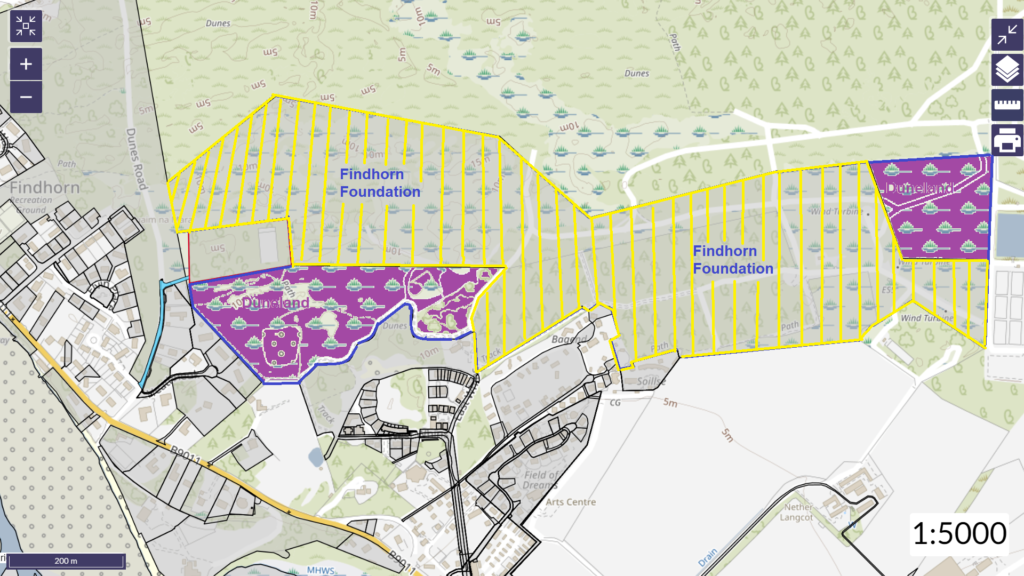
Dune Restoration Project
Maintaining and protecting biodiversity in our world is of international importance and concern and the strategy is to make sure that what happens on the ground in every locality of the earth helps with this mammoth task. To that end FHT commissioned a 2020 Local...