Recent Biodiversity Findings
Star Species
Just some of our superstar finds here at Findhorn Hinterland!
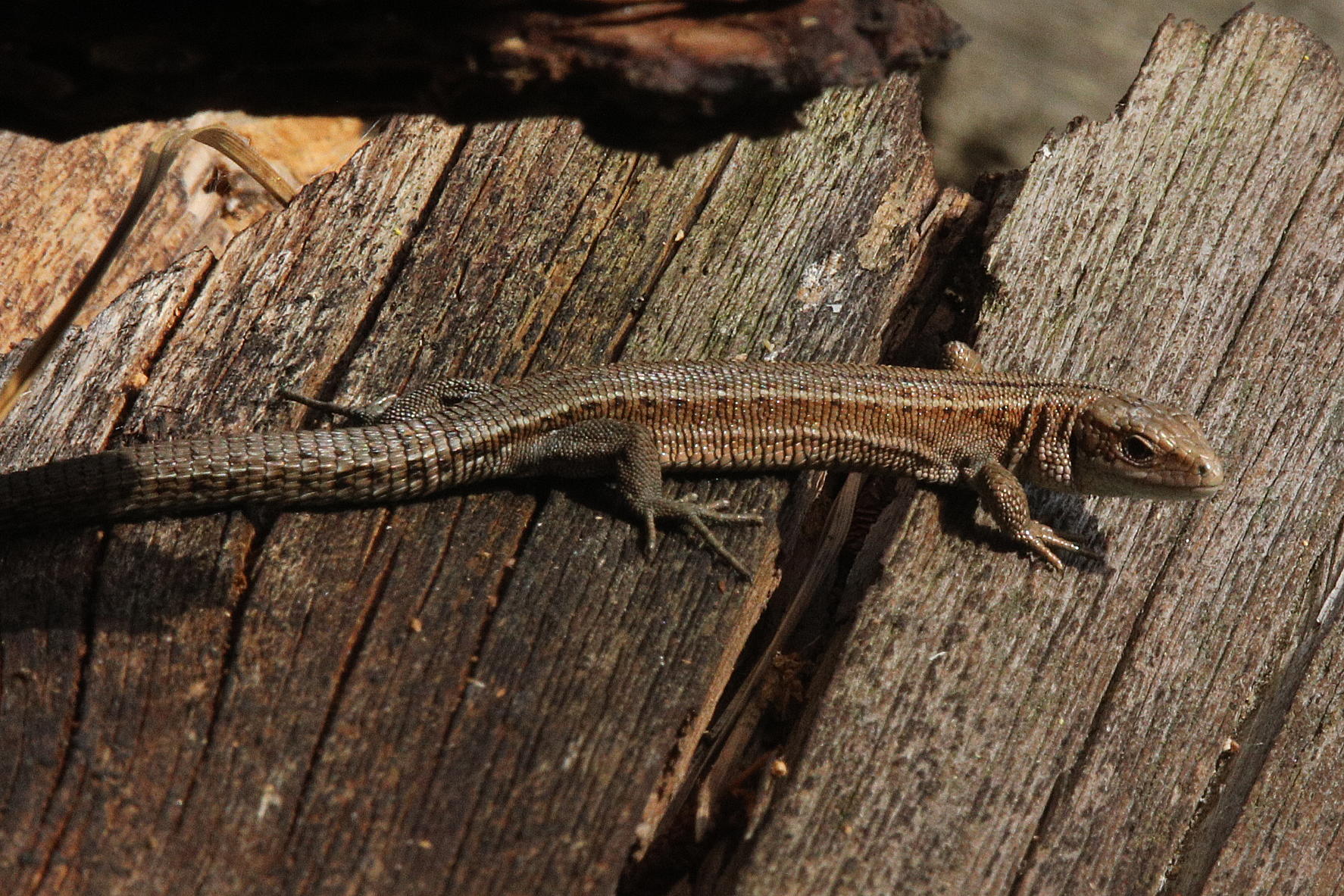
Common lizard (Zootoca vivipara) on an old Scots pine log (Pinus sylvestris), Findhorn Hinterland
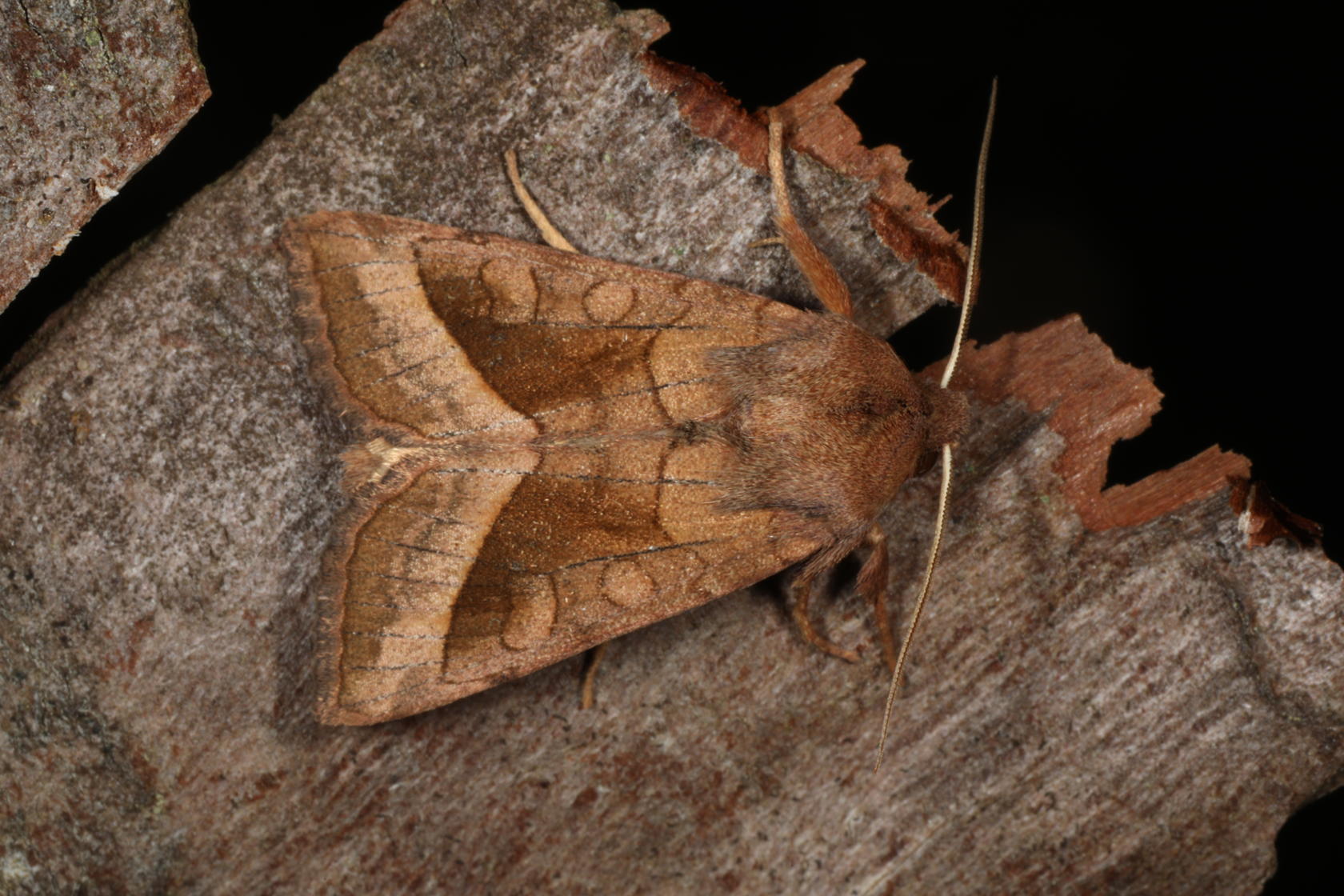
Rosy rustic moth (Hydraecia micacea), Findhorn Hinterland
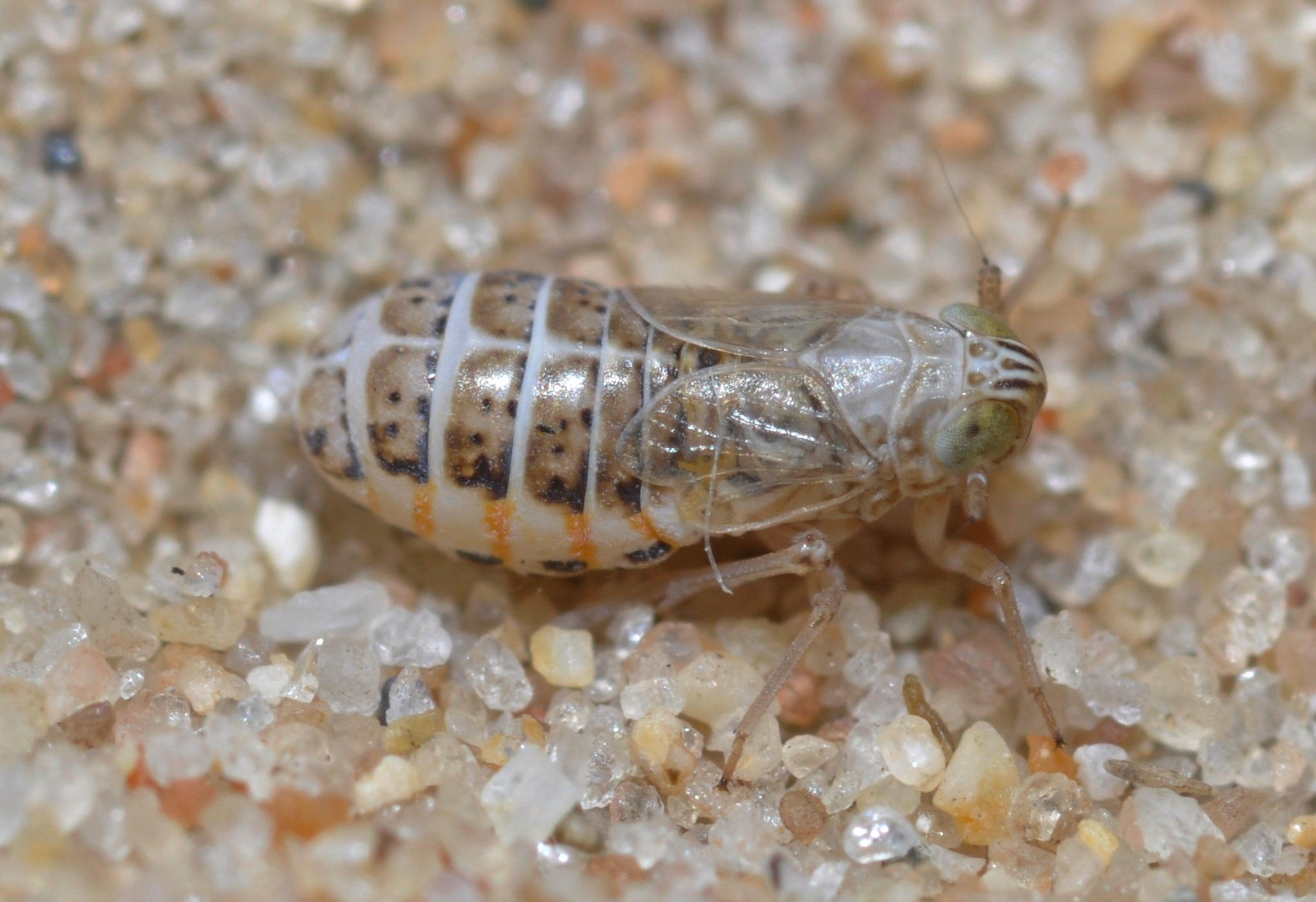
Gravesteiniella boldi
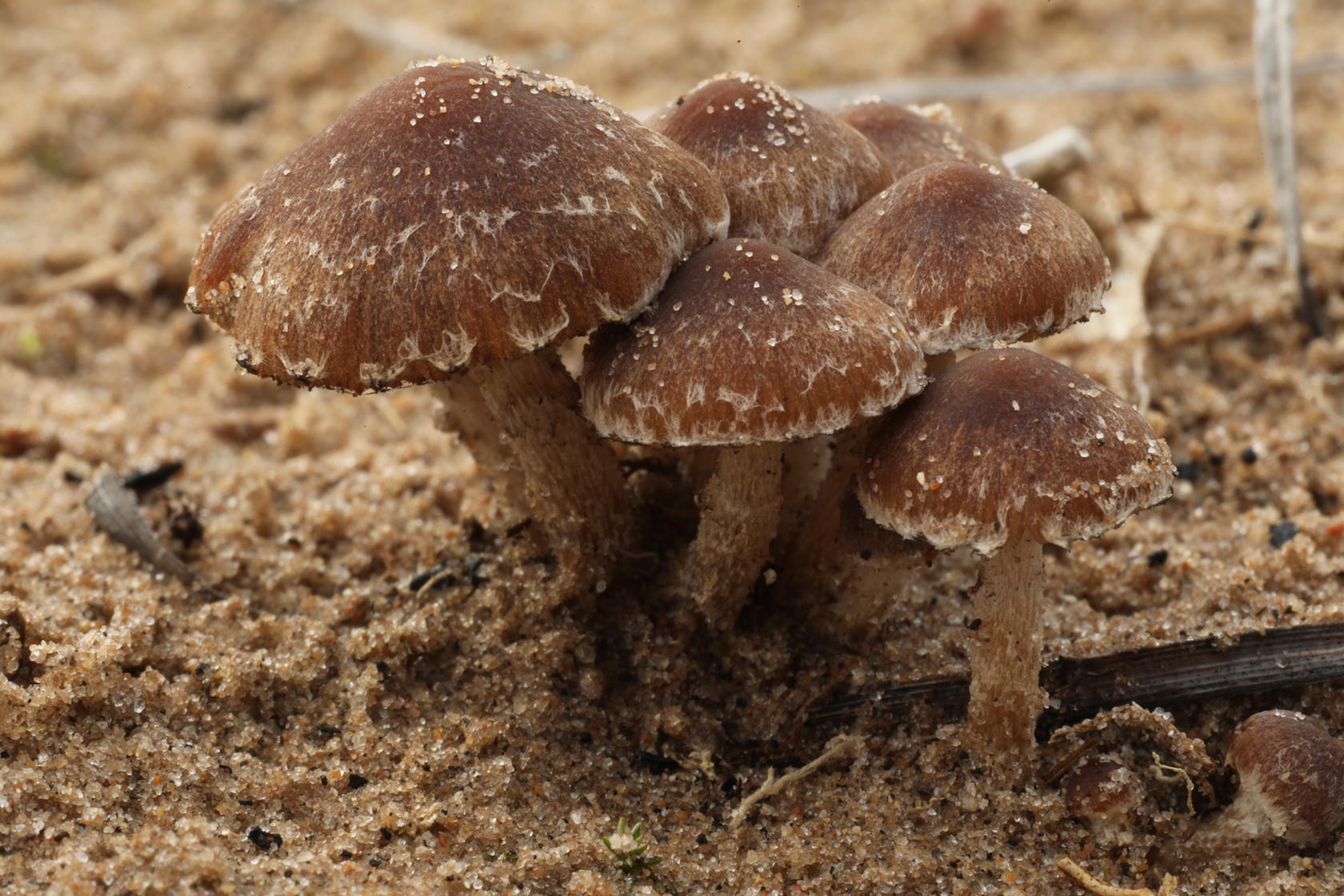
Brittlestem fungi (Psathyrella flexispora) on sand, Findhorn Hinterland
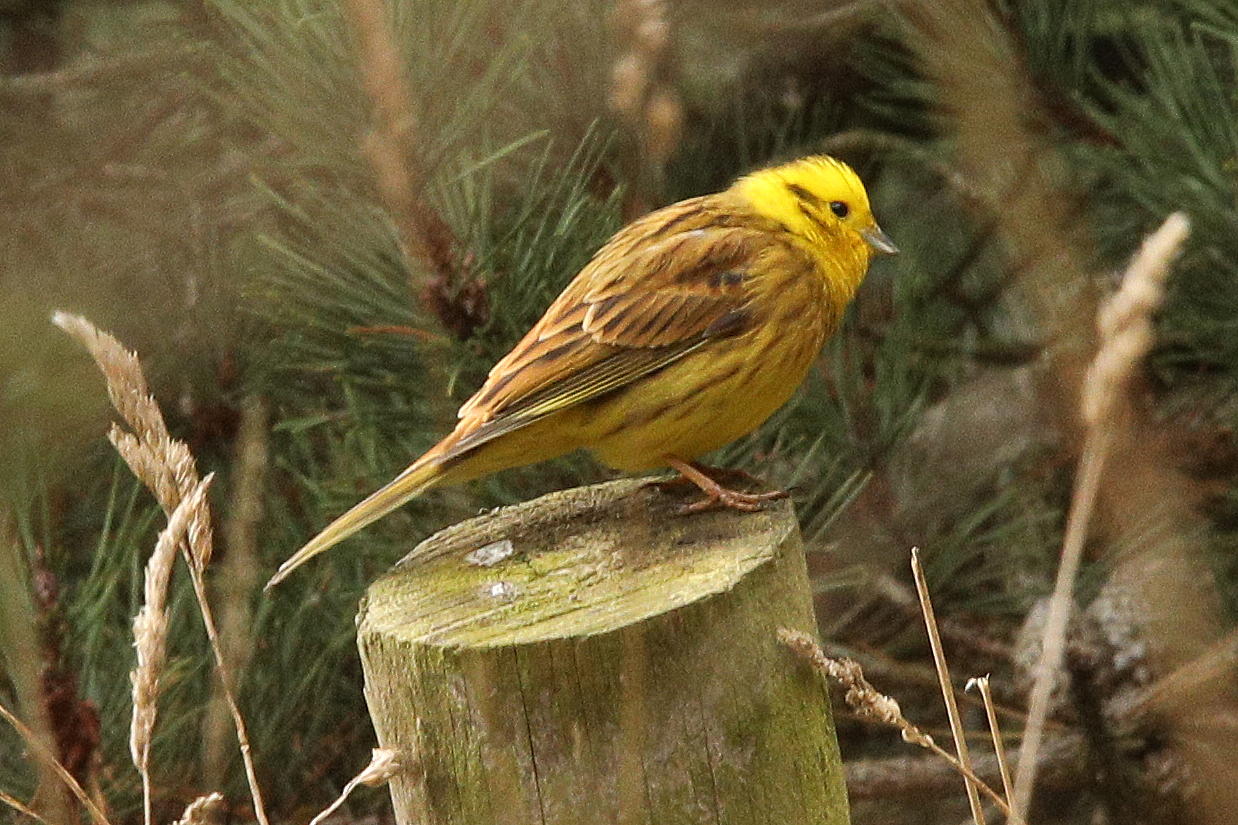
Yellowhammer (Emberiza citrinella) on a fence post, Findhorn Hinterland
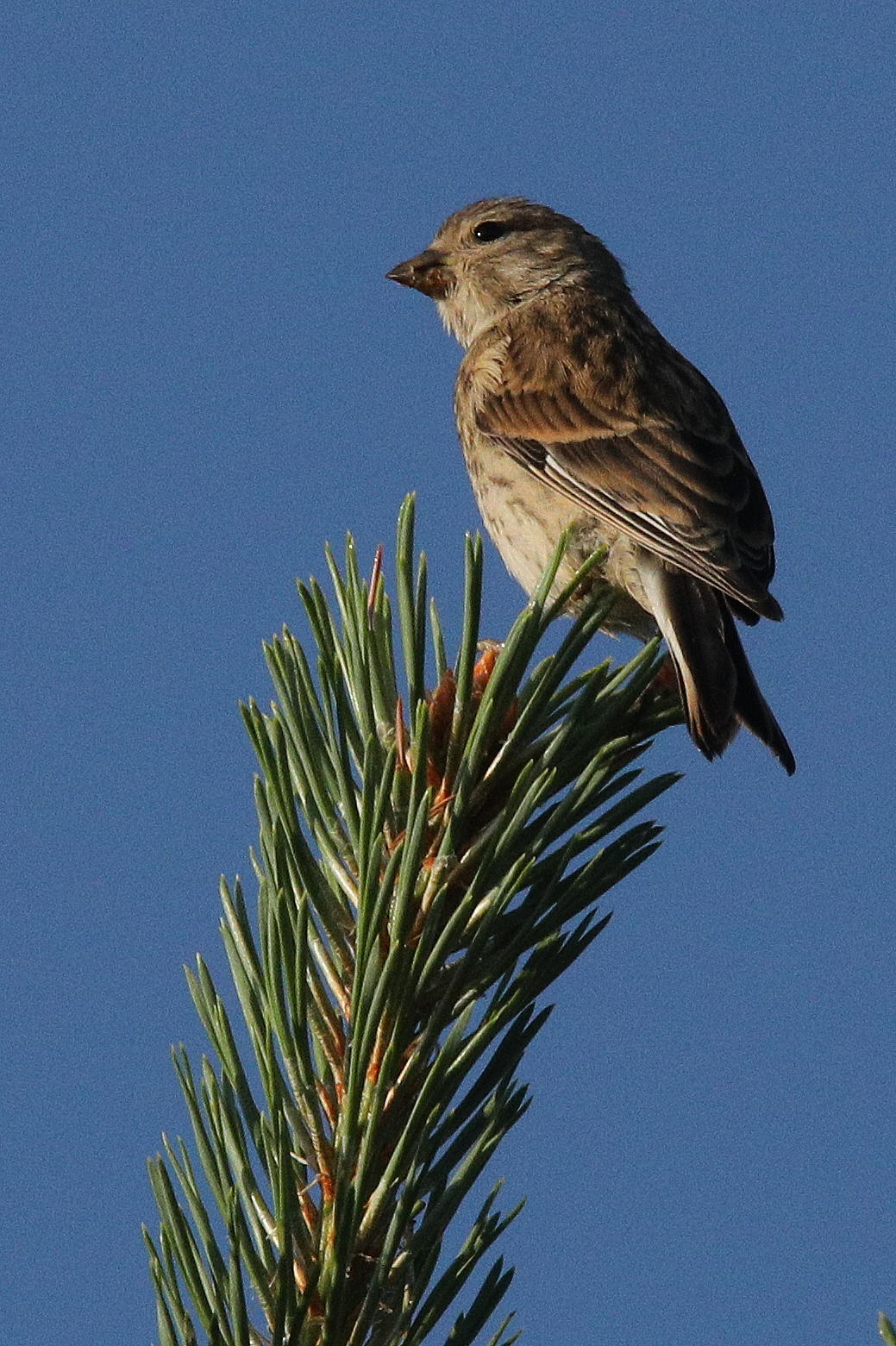
Female linnet (Linaria cannabina) on the top of a small branch of a young Scots pine (Pinus sylvestris), Findhorn Hinterland
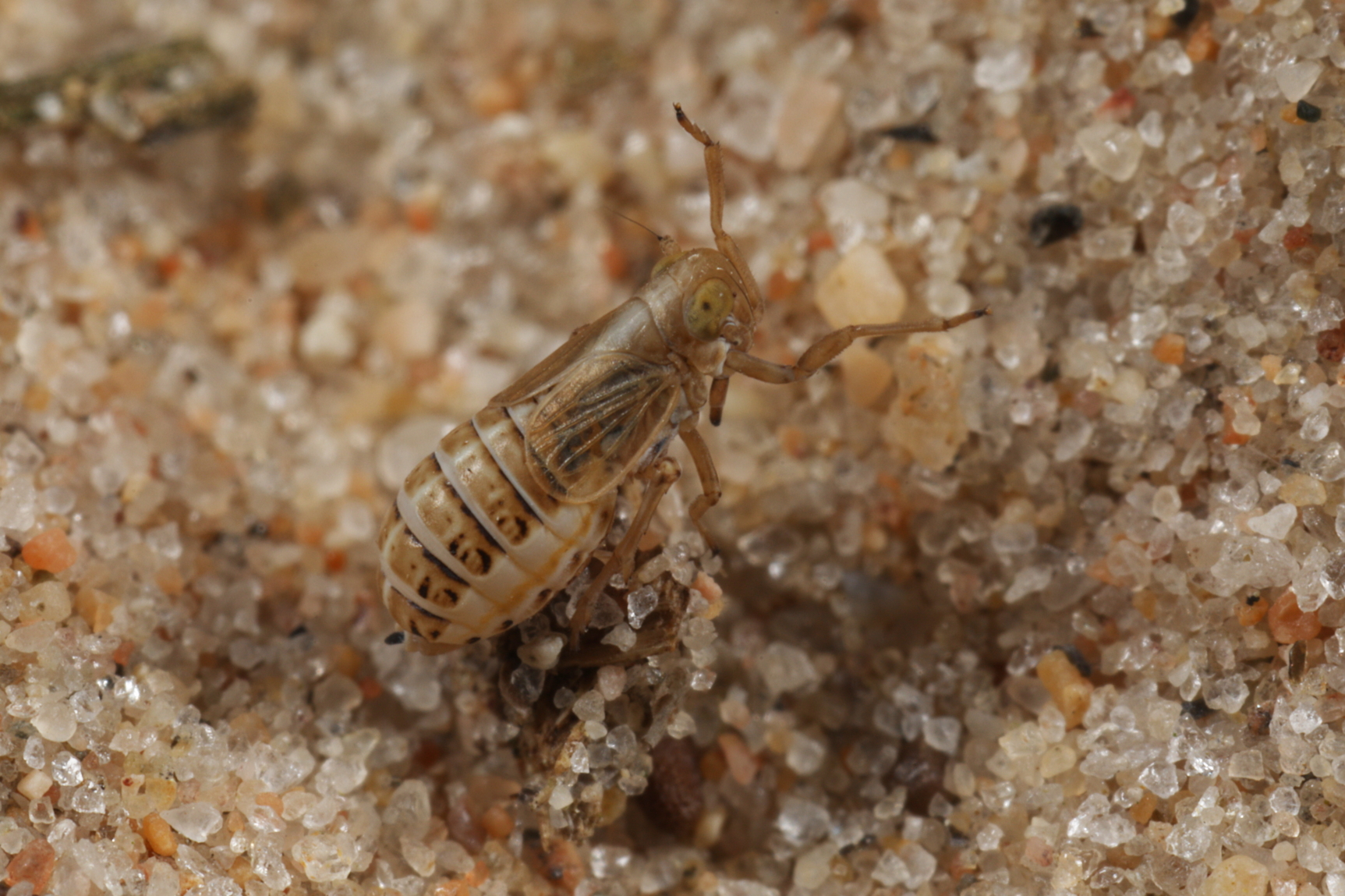
Planthopper (Muirodelphax aubei), Findhorn Hinterland
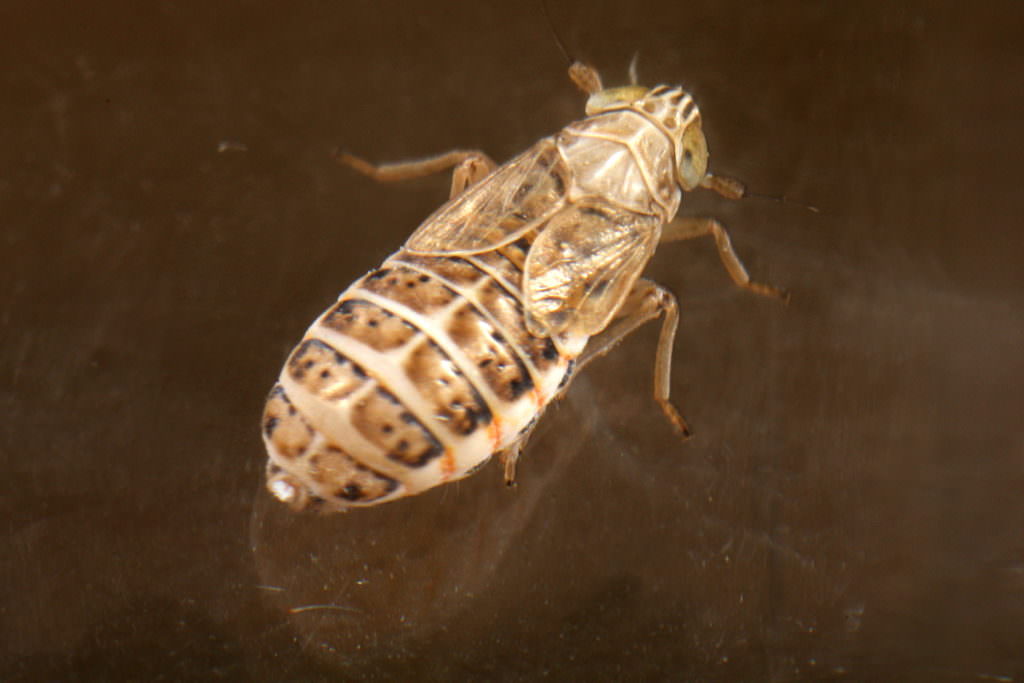
Leafhopper Gravesteiniella boldi found in a grass tussock Findhorn Hinterland
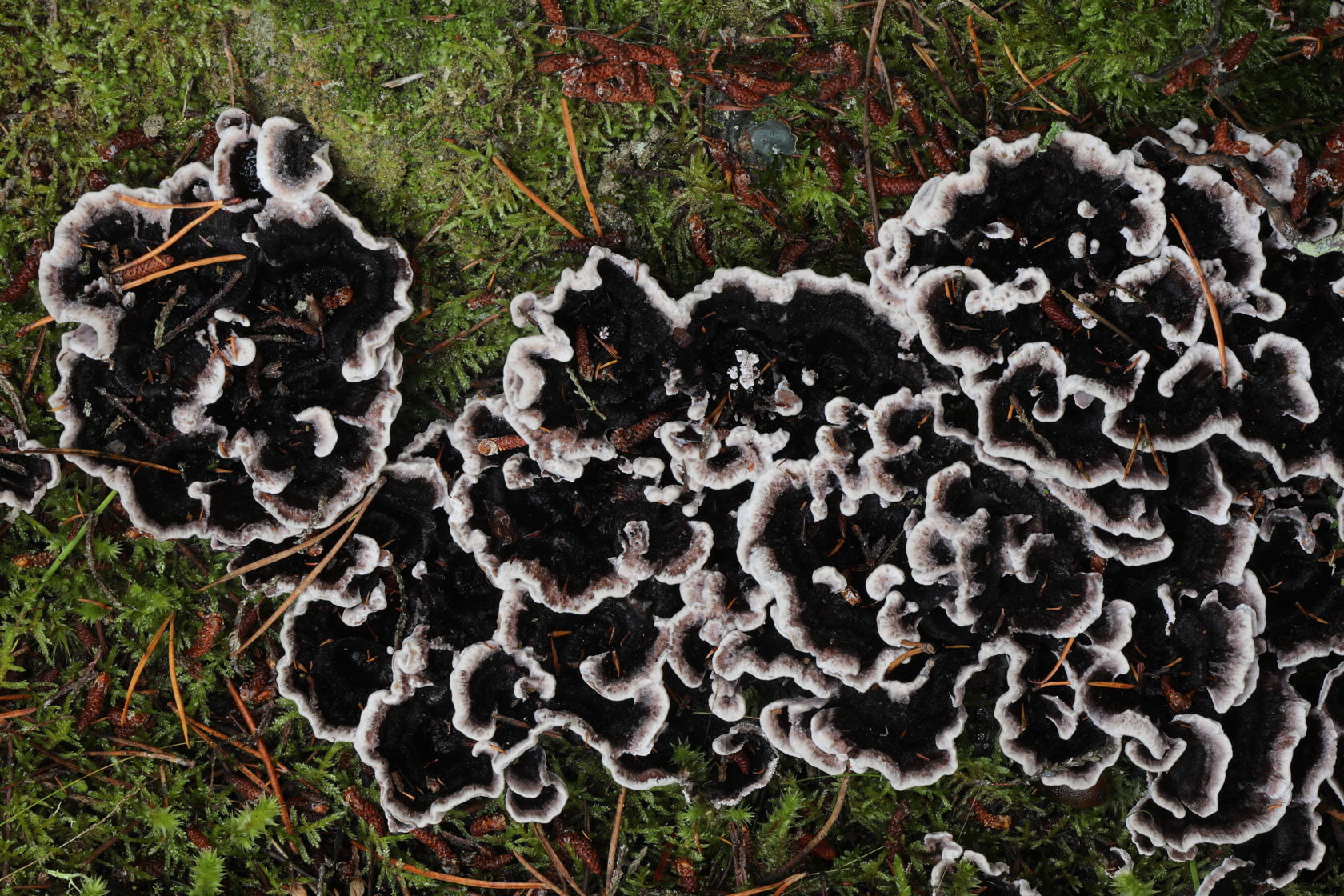
Grey tooth fungus (Phellodon melaleucus), Findhorn Hinterland
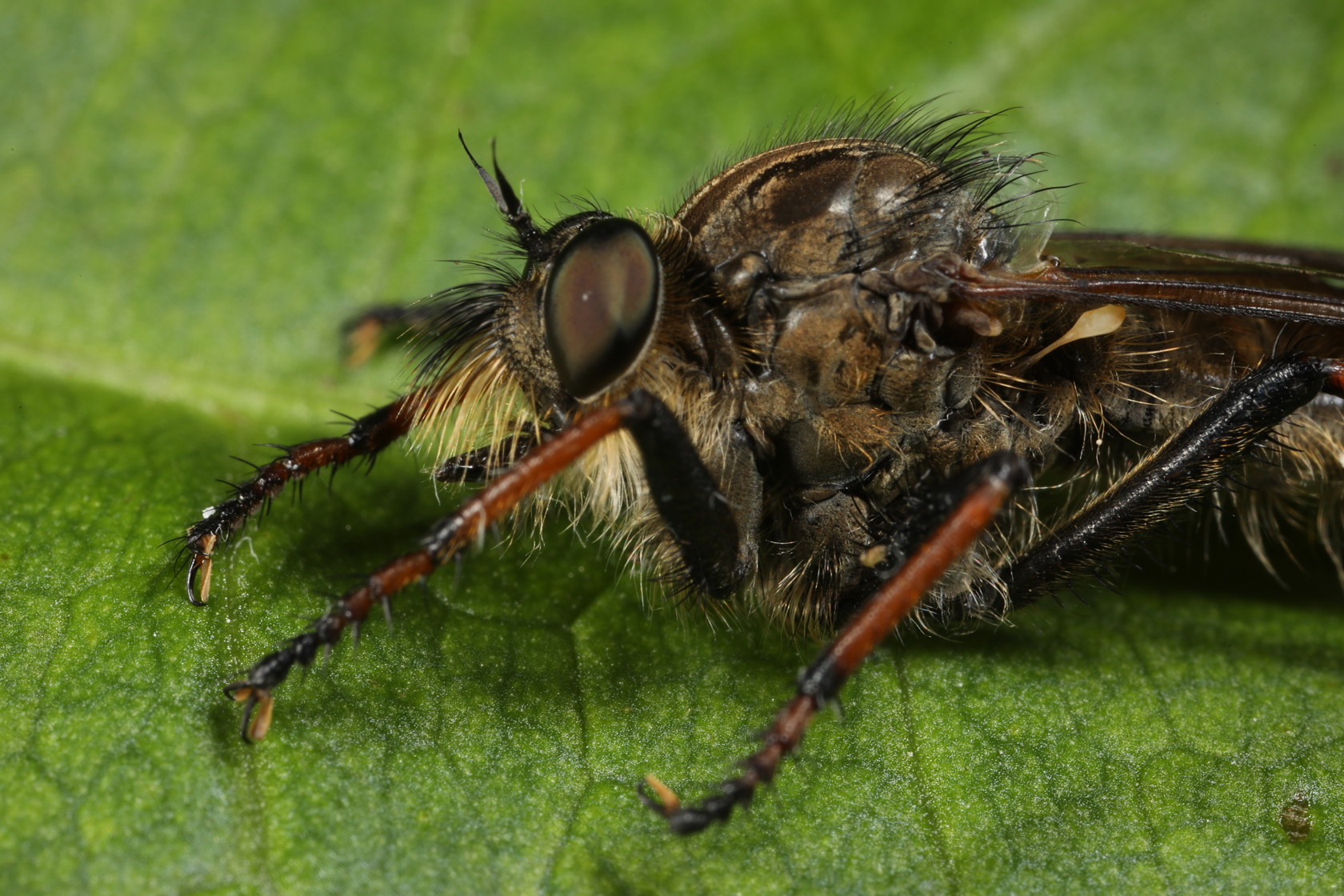
Pied-winged robberfly (Pamponerus germanicus)
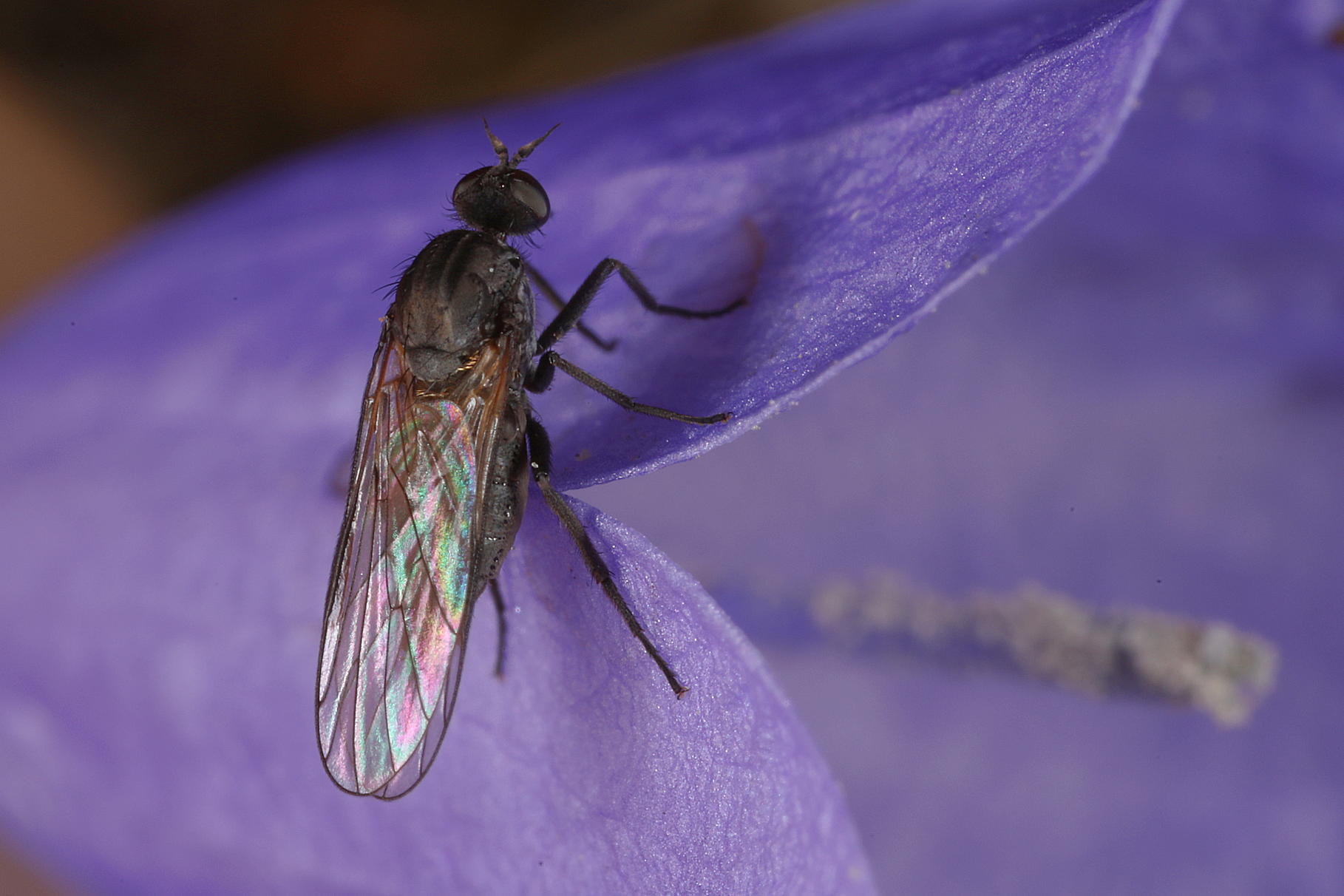
Female dance fly (Hilara scrobiculata) (Empididae) on the flower of a harebell (Campanula rotundifolia), Findhorn Hinterland
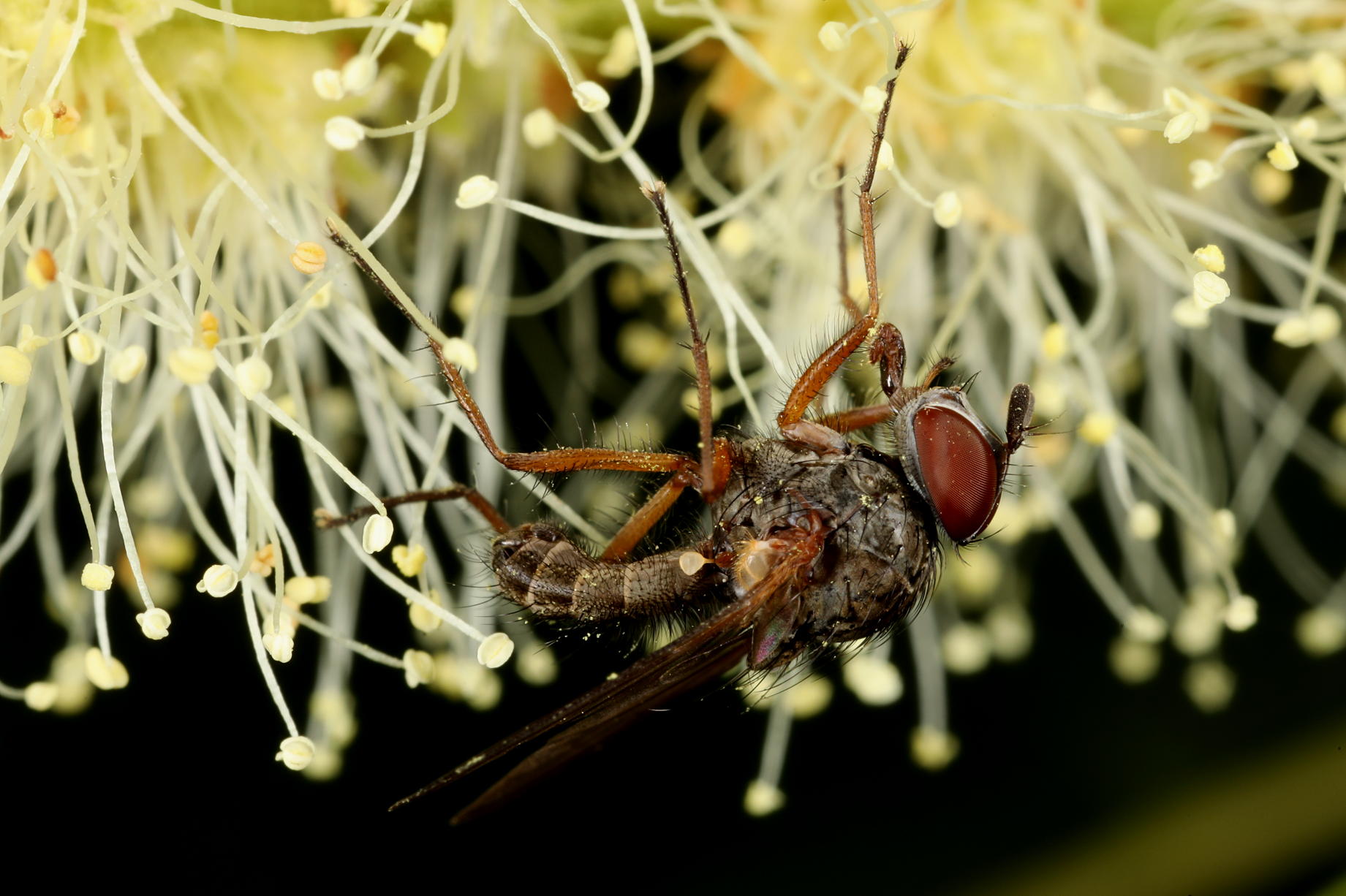
Male fly (Pegomya deprimata) (Anthomyiidae) on a flower of a sweet chestnut tree (Castanea sativa), Findhorn Hinterland
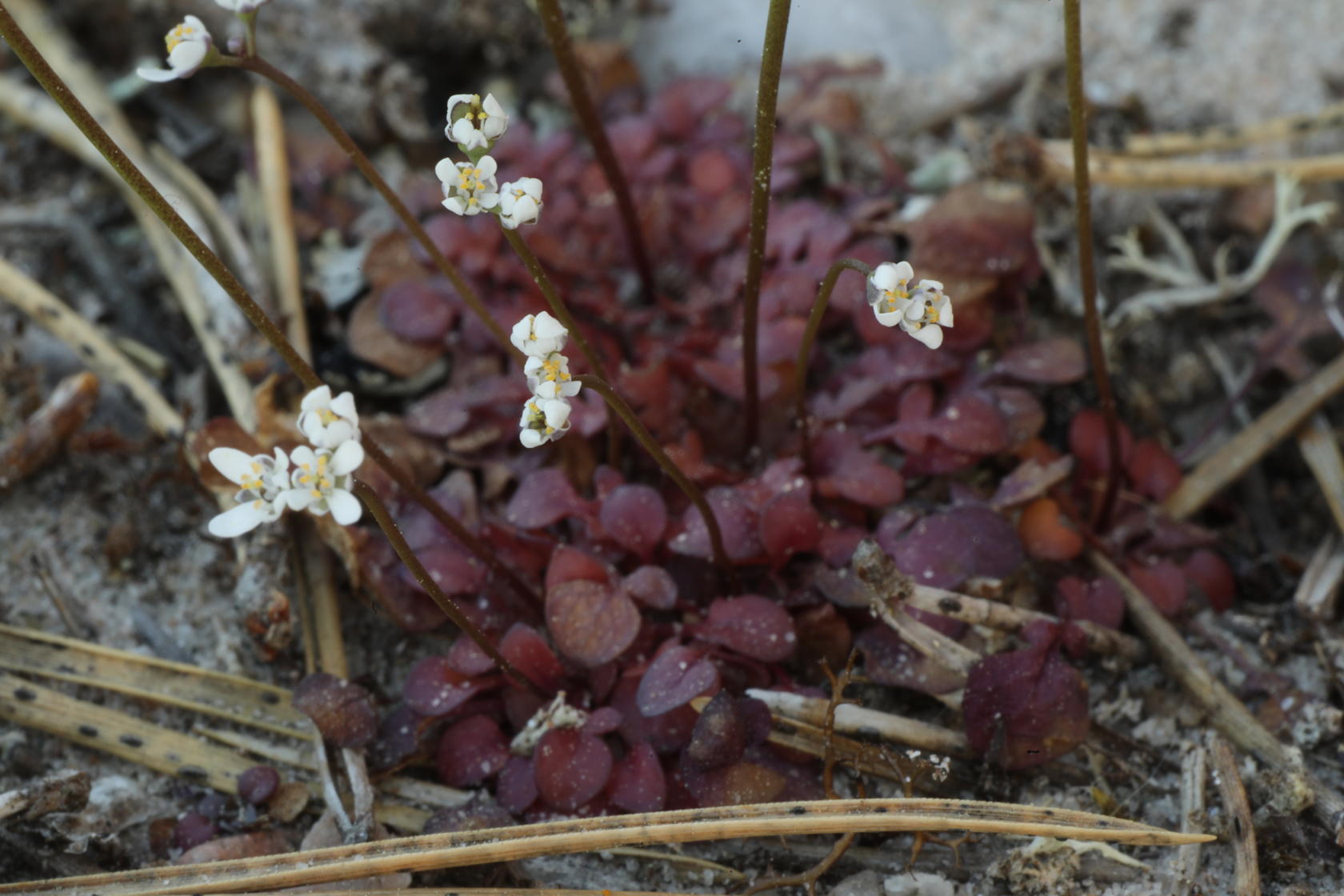
Shepherd’s cress (Teesdalia nudicaulis) in flower in the dune heath, Findhorn Hinterland
More information on the bioversity of the Hinterland is contained in the following links:
- Biodiversity Findings Aug-Sept 2026
- Summary FHT Local Biodiversity Action Plan (LBAP) 2026-31
- Detailed FHT LBAP 2026-31
- FHT Local Biodiversity Action Plan (LBAP) 2020-2025
- FHT LBAP 2020-2025, Appendices 1-4
- FHT LBAP 2020-2025, Appendix 5
- Lichen Survey 2008
- Hinterland Biodiversity
- Hinterland Beetle Survey 2025
- Hinterland Hazel (FHT Newsletter Spring 2021)
- Fungi on the Hinterland (FHT Newsletter Autumn/winter 2021)
- Bird Species of the Hinterland, Park and Bay (FHT Newsletter Winter 21/Spring 22)
- The Importance of dead wood in the forest (FHT Newsletter Spring 22)
- Moth Trapping at Findhorn (FHT Newsletter Summer/Autumn 2023)
- Spiders on the Land (FHT Newsletter Winter/Spring 23)
- Exploring the Wonderful world of Lichens (FHT Newsletter Summer/Autumn 2023)
- True Bugs Survey (FHT Newsletter Autumn/Winter 2023)
- Mosses
- Red squirrels
ECOLOGY & CONSERVATION NEWS
Fungi on the Findhorn Hinterland
As part of our work to identify the biodiversity of the Findhorn Hinterland area we commissioned Liz Holden, Scotland’s leading mycologist, to carry out a survey of the fungi that are present on the site. She spent two days on the Hinterland in 2020, at the beginning...
Hinterland Hazel
By Alan Watson Featherstone This is another of my occasional articles about the biodiversity of the Findhorn Hinterland area, this time about hazel trees in spring. After the snow melted in the middle of February, the warmer weather has really accelerated the coming...
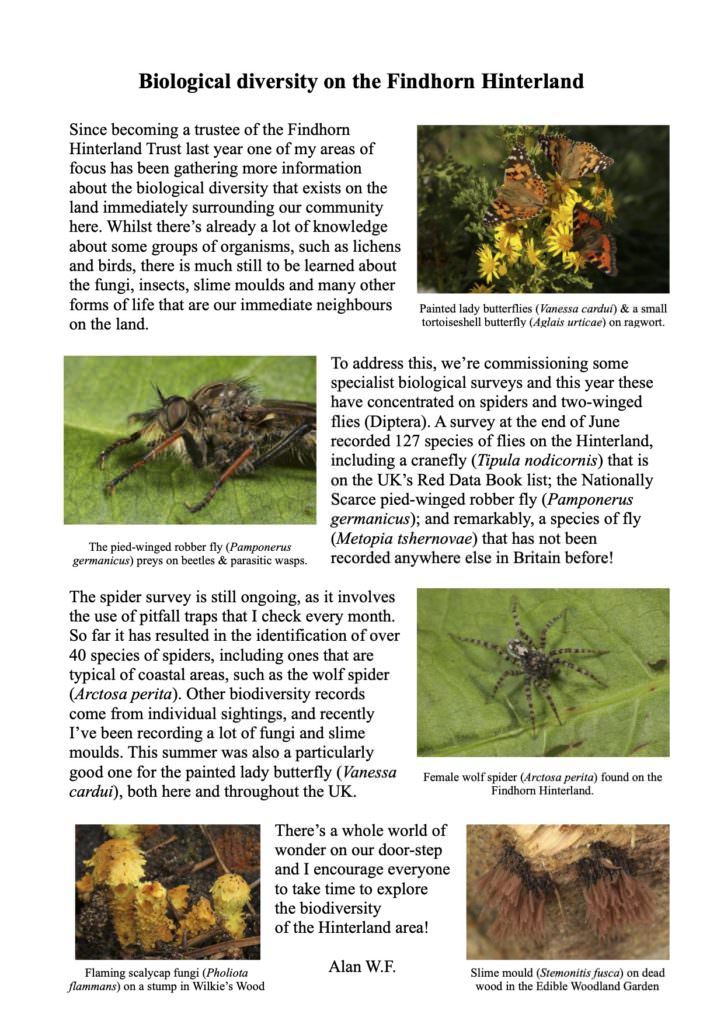
Hinterland Biodiversity
Enjoy this recent article by Alan Watson Featherstone: